100 Facts of Georgia
A curated collection of 100 historical wonders, cultural myths, and natural secrets from the heart of the Caucasus.
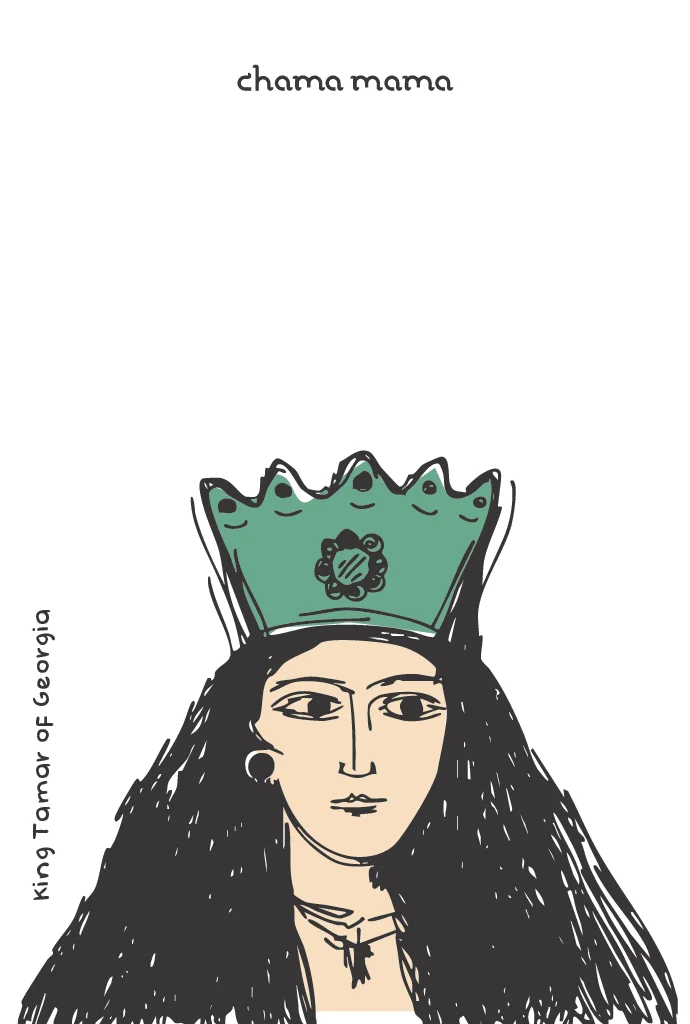
The King Tamar
Queen Tamar of Georgia was the first female monarch who ruled as a king between 12th - 13th century. The period of her reign is regarded as the Golden Age in the history of Georgia. History.com named Queen Tamar among six royal women who triumphed over their husbands. Great Georgian poet Shota Rustaveli portrayed her in his epic poem, The Knight in the Panther's Skin
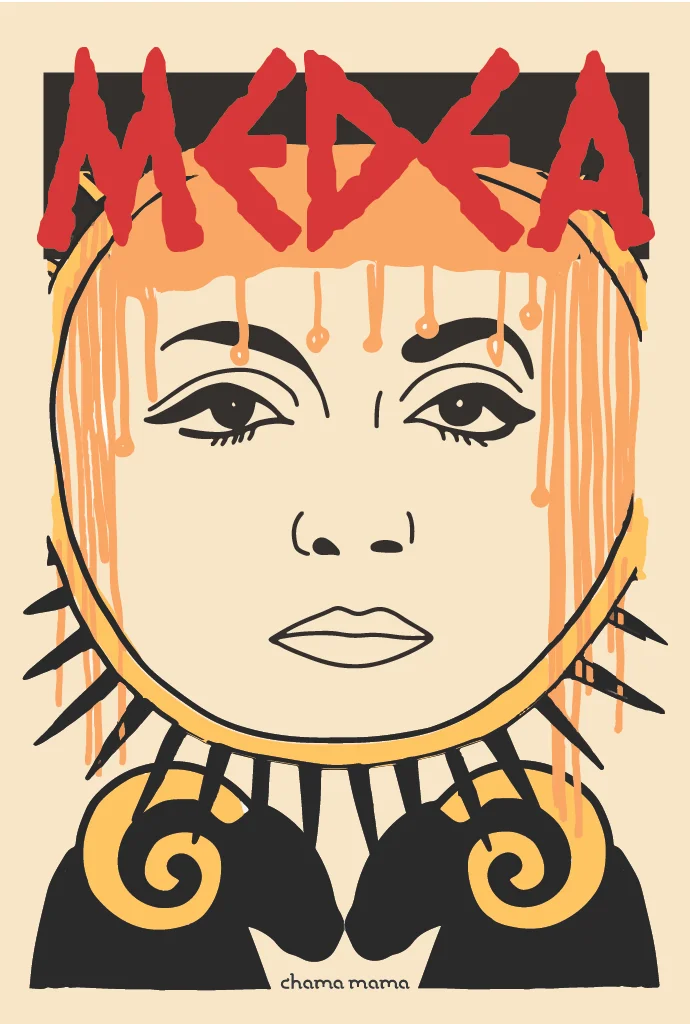
Medea
Medea, the sorceress of Colchis, stands at the edge of power and tragedy. With a knowledge of magic and herbs, she could heal or harm with equal ease. But when love turned sour, betrayal cut deep, and vengeance became her only goal. The dagger she clutched was a symbol of the violence that consumed her, a chilling reminder that even the strongest magic can't mend a broken heart. Medea's story is a timeless warning about the dark side of love, the price of revenge, and the danger of letting passion spiral out of control.
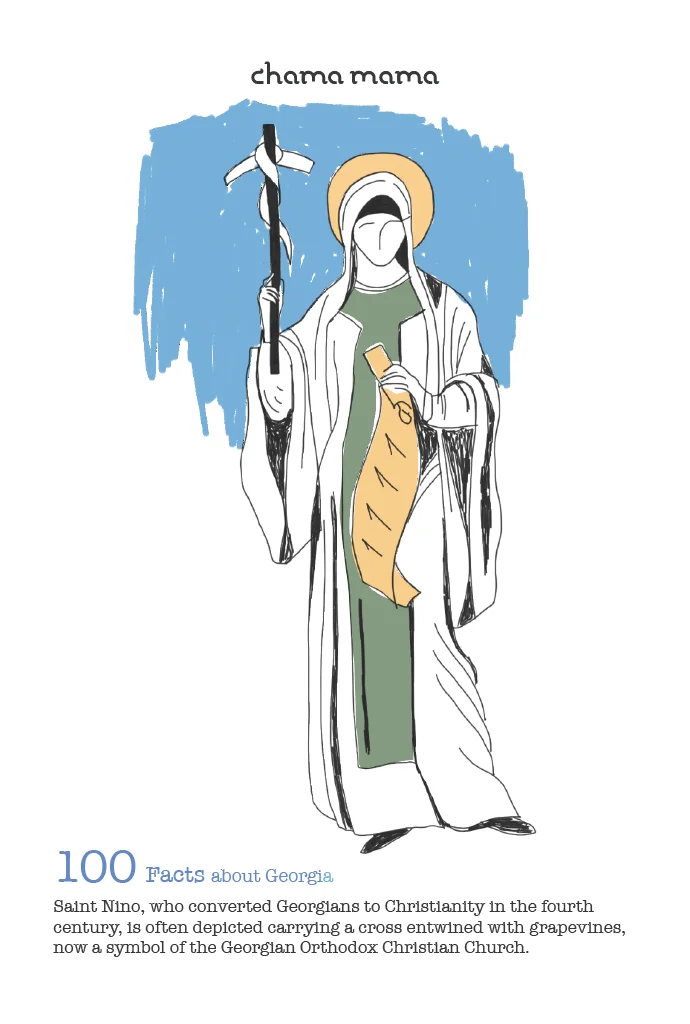
Saint Nino
Saint Nino, who converted Georglans to Christianity in the fourth century, is often depleted carrying a cross entwined with grapevines, now a symbol of the Georglan Orthodox Christian Church.
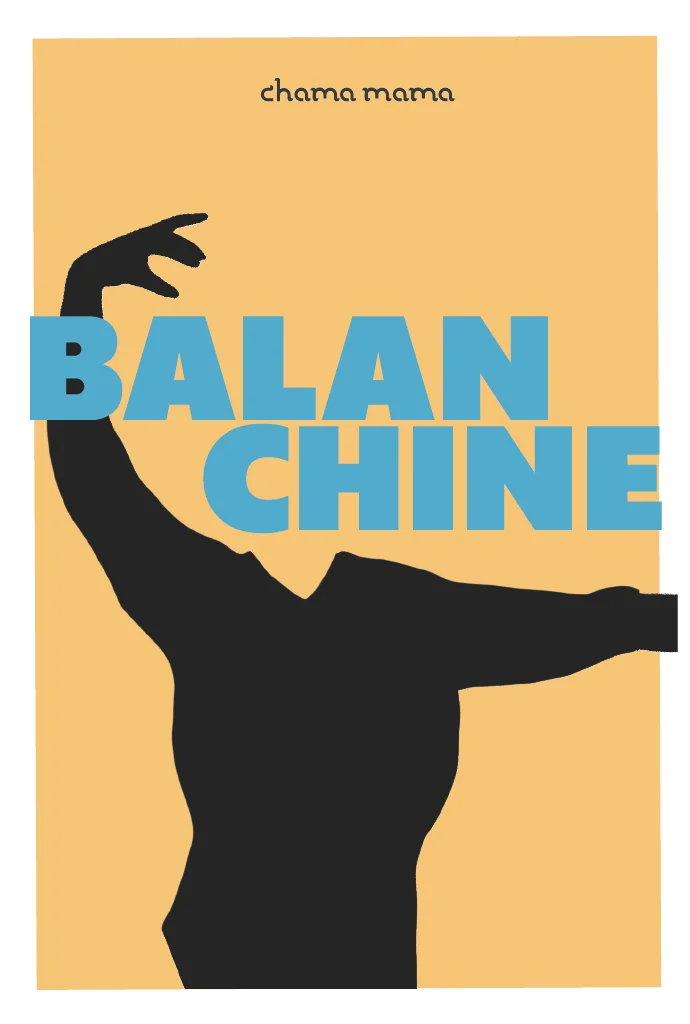
Balanchine
George Balanchine, a Georgian - American ballet choreographer and co-founder of the New York City Ballet, is often called the father of American ballet. He revolutionized the world of ballet with his innovative choreography. Balanchine's 1954 reimagining of The Nutcracker transformed it from a modest 19th-century production into a beloved global Christmas classic. Balanchine's legacy endures, with his innovative works continuing to inspire and captivate ballet audiences around the globe.
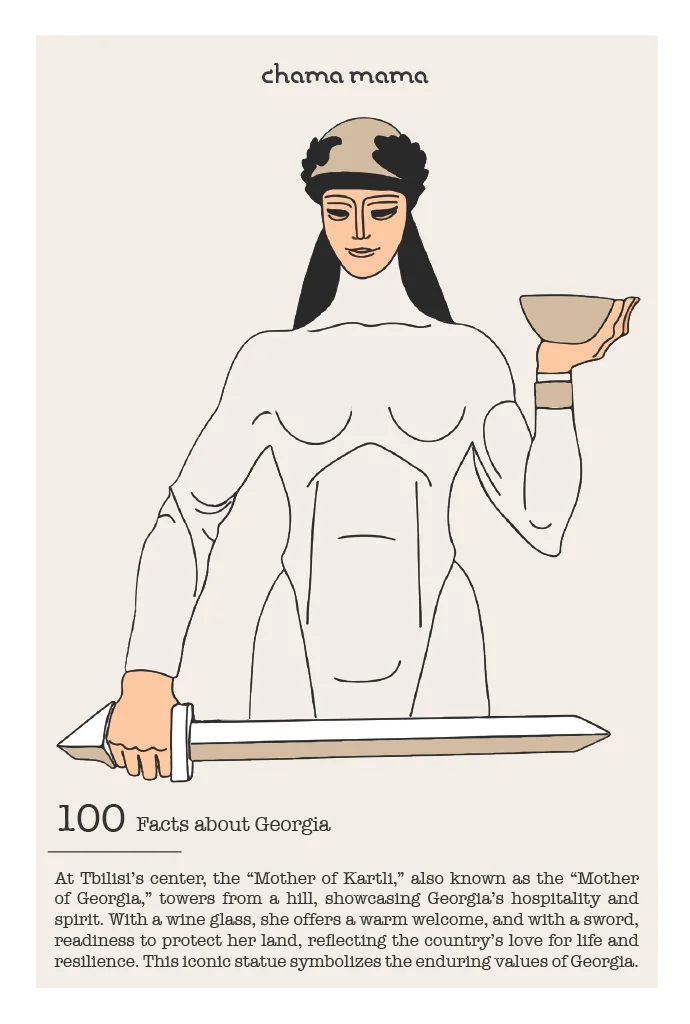
Kartlis Deda
At Tbilist's center, the "Mother of Kartl1," also known as the "Mother of Georgla," towers from a hill, showcasing Georgia's hospitality and spirit. With a wine glass, she offers a warm welcome, and with a sword, readiness to protect her land, reflecting the country's love for life and resilience. This iconic statue symbolizes the enduring values of Georgla.
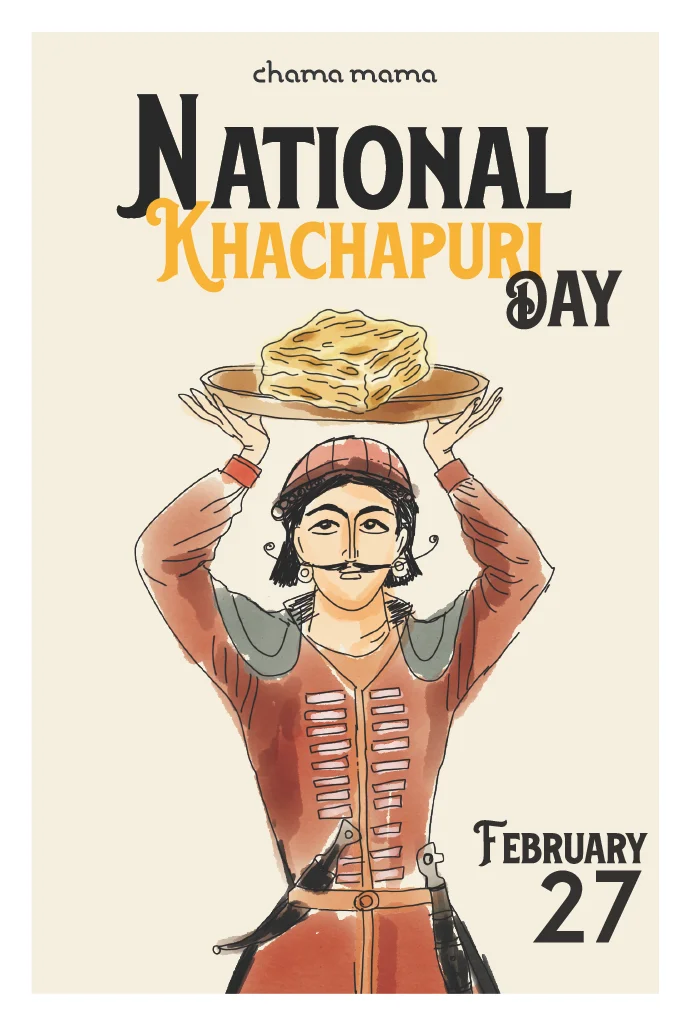
National Khachapuri Day
Georgia's iconic cheese-filled bread - warm, golden, and made to share. From the boat-shaped Adjarian crowned with egg and butter to the cheese-loaded Megrelian, every region has its own beloved version. Khachapuri embodies the ritual of gathering, celebration, and hospitality. Recognized by UNESCO as Intangible Cultural Heritage, this bread celebrates Georgia communal spirit like no other.
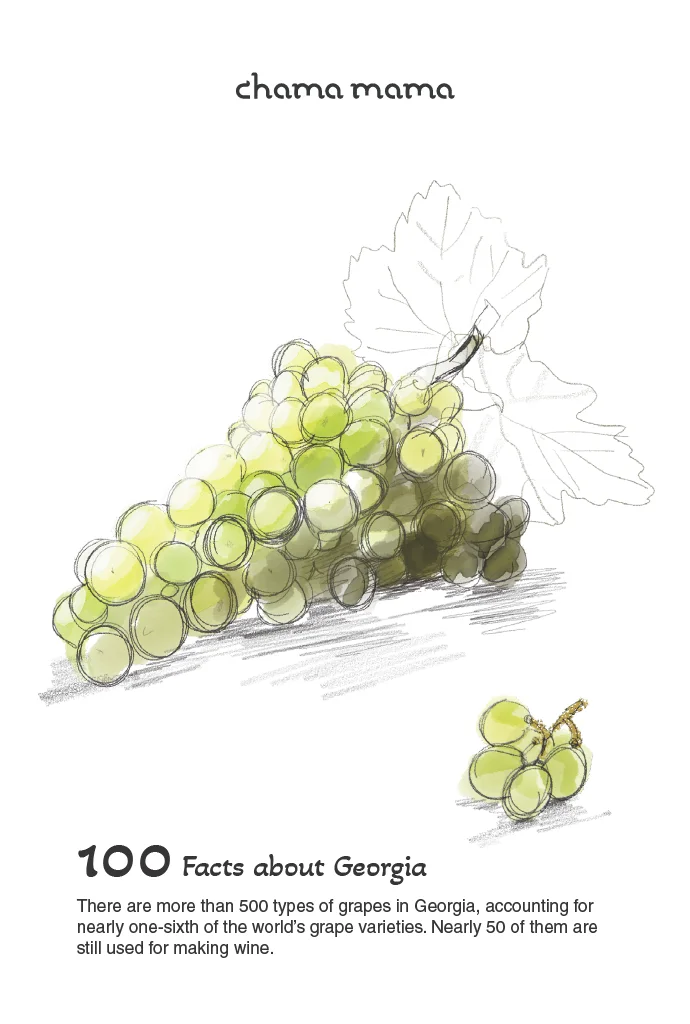
Georgian Grape
There are more than 500 types of grapes in Georgia, accounting for nearly one-sixth of the world's grape varieties. Nearly 50 of them are still used for making wine.
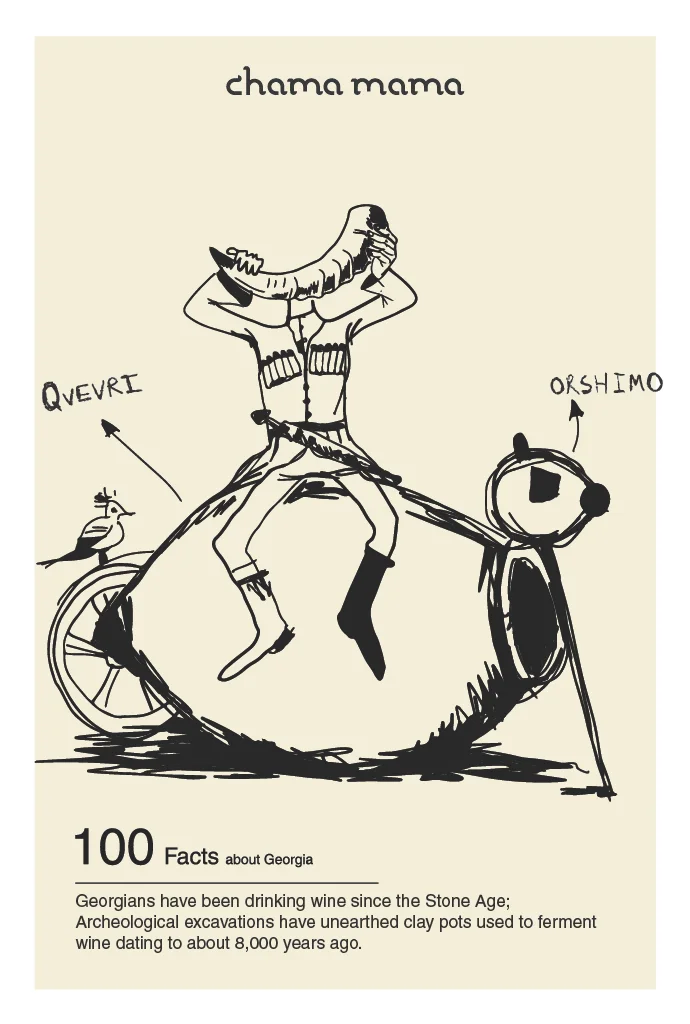
Qvevri
Georgians have been drinking wine since the Stone Age; Archeological excavations have unearthed clay pots used to ferment wine dating to about 8,000 years ago.
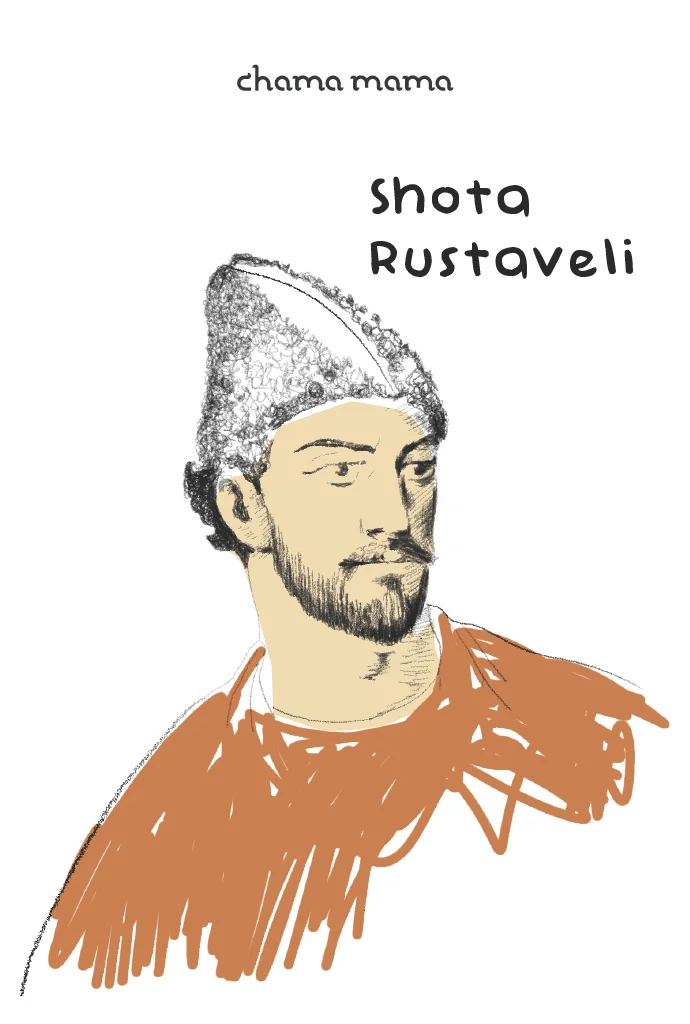
Shota Rustaveli
"All children are equal no matter their gender,” wrote Shota Rustaveli in his epic poem “The Knight in the Panther’s Skin.” That was in the 12th century, long before gender equality became the norm.
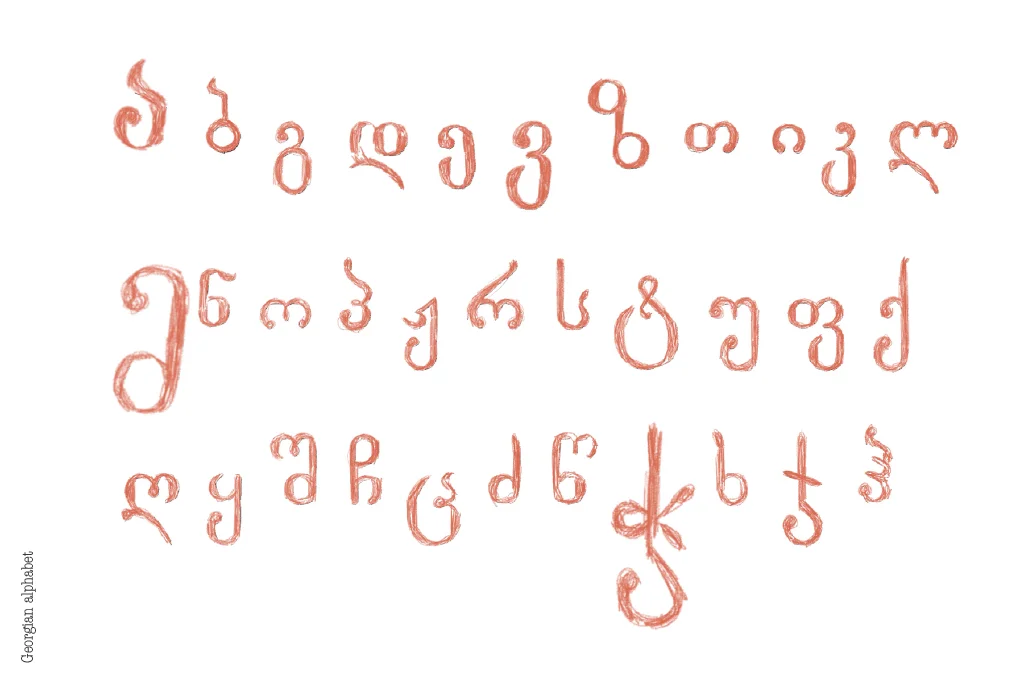
Georgian Alphaber
The Georgian alphabet is one of only 14 unique writing systems in the world today. While many languages adapt alphabets from others. The Georgian script was developed exclusively for the Georgian language. It's not used by any other nation, making it a deeply personal and national treasure.
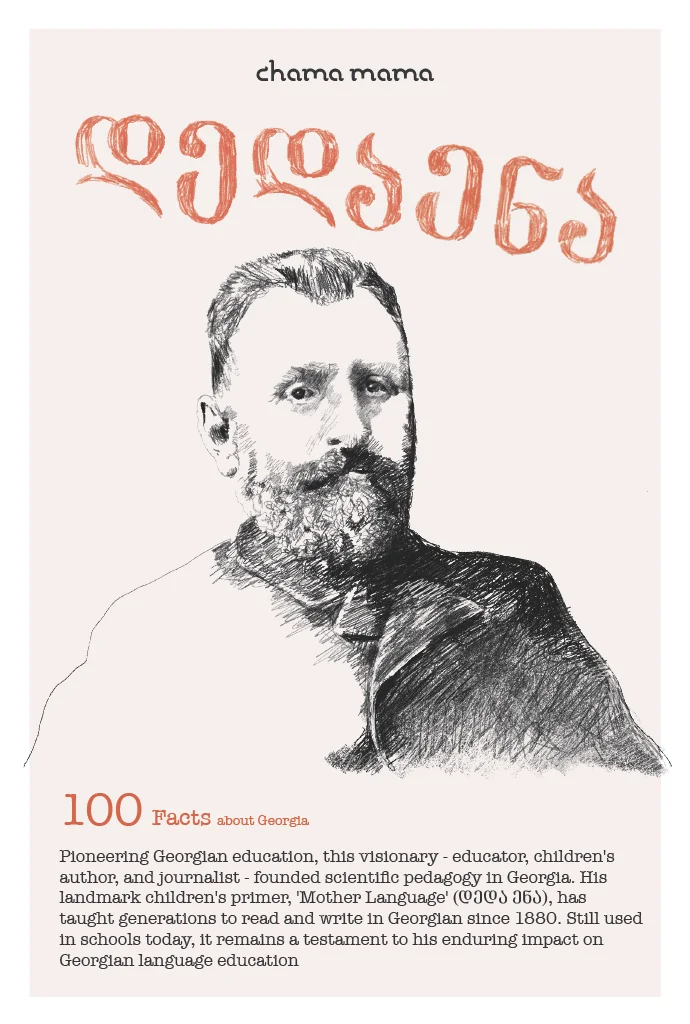
Iakob Gogebashvili
Ploneering Georglan education, this visionary - educator, children's author, and journalist - founded scientific pedagogy in Georgla. His landmark children's primer, Mother Language' (დედა ენა), has taught generations to read and write in Georglan since 1880. Still used in schools today, it remains a testament to his enduring impact on Georglan language education.
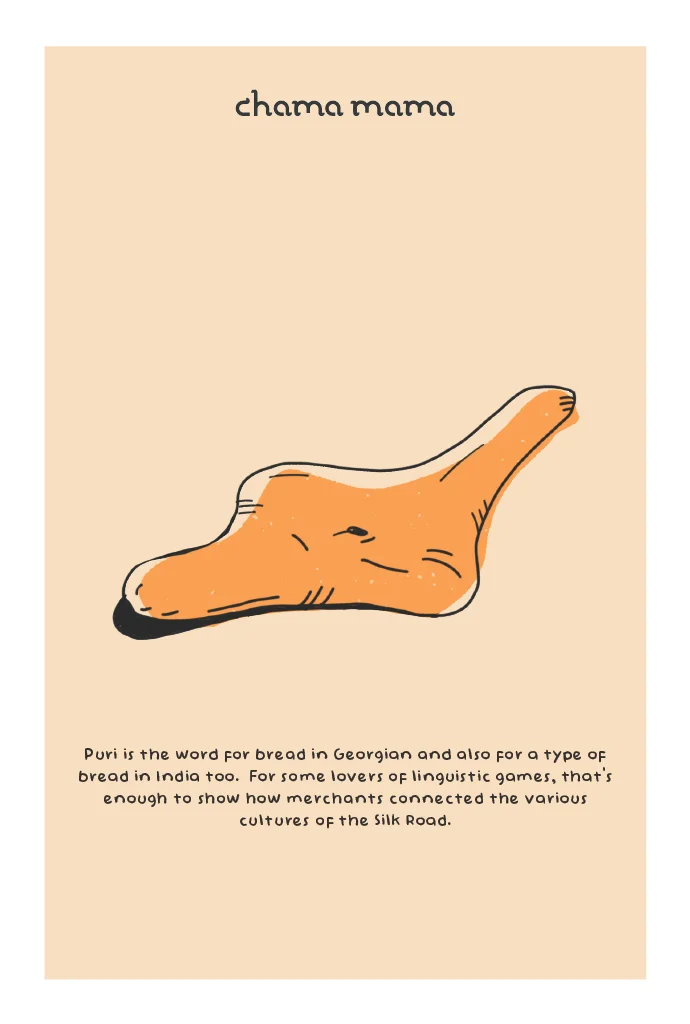
Puri Georgian bread
Puri is the word for bread in Georgian and also for a type of bread in India too. For some lovers of linguistic games, that’s
enough to show how merchants connected the various cultures of the Silk Road.
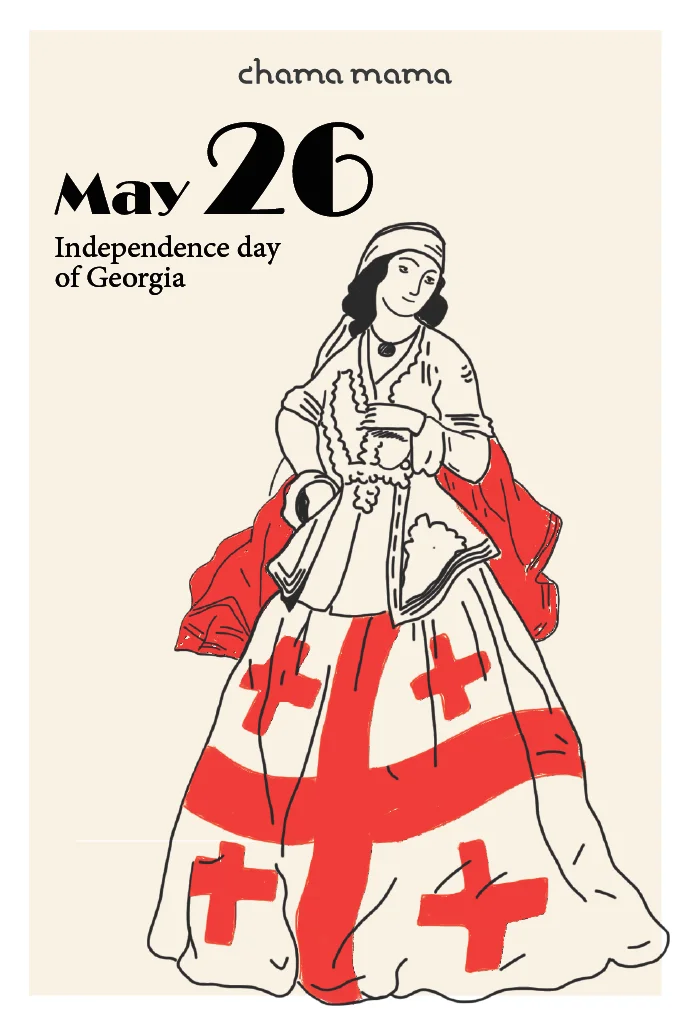
Georgian Independence Day
Happy Independence Day, Georgia! Today, we celebrate the courageous spirit and unwavering determination that led to our freedom from Russian rule in 1918. May our unity and resilience continue to shine as we cherish our hard-won independence. Cheers to the past, present, and future of our beloved nation!
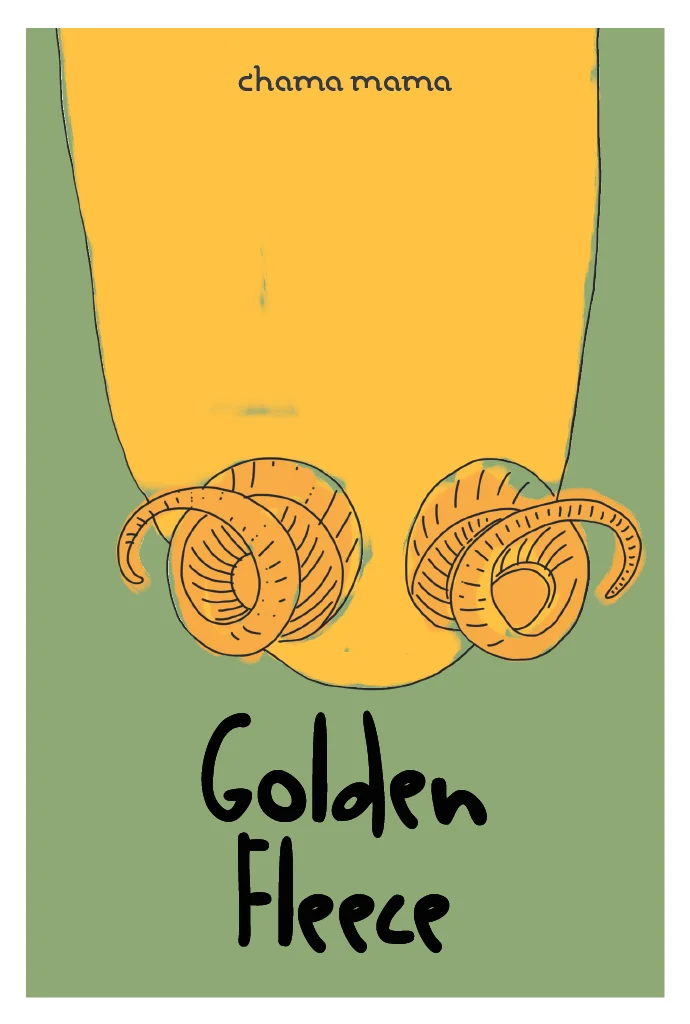
The Golden Fleece
Did you know that the legendary Golden Fleece - ოქროს საწმისი, comes from Georgia's ancient region of Colchis? This myth follows Jason and the Argonauts, a group of Greek heroes, on their quest to retrieve the magical fleece from Colchis. The fleece was guarded by a fierce dragon, but Medea, a powerful sorceress and daughter of the Colchian king, helped Jason overcome the trials with her magic. Together, they claimed the Golden Fleece, symbolizing heroism, loyalty, and adventure.
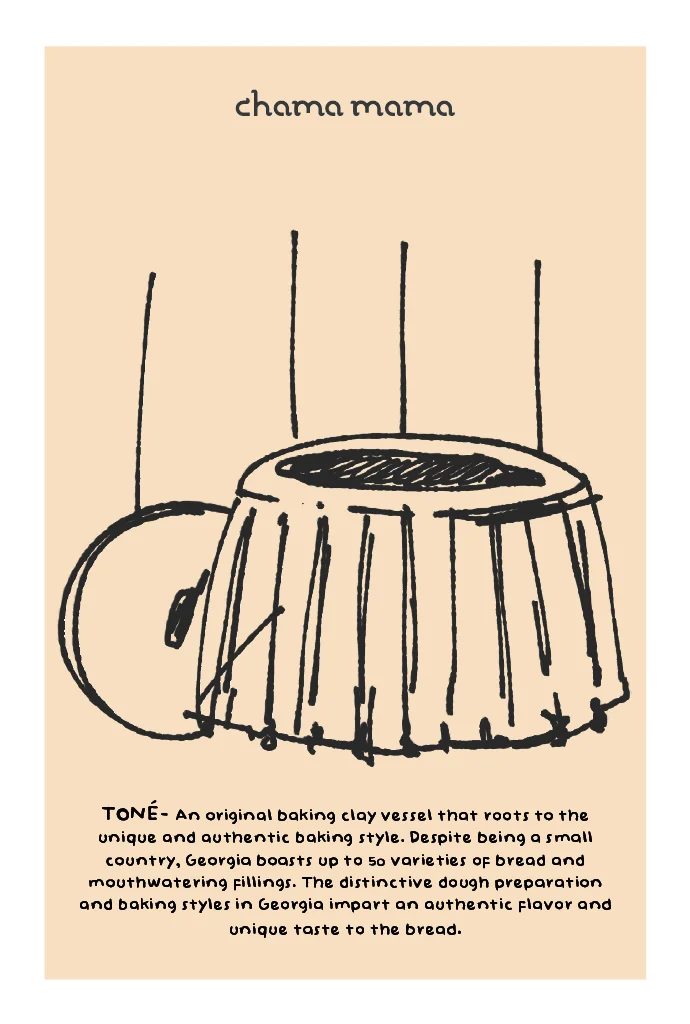
Tone
TONÉ– An original baking clay vessel that roots to the unique and authentic baking style. Despite being a small
country, Georgia boasts up to 50 varieties of bread and mouthwatering fillings. The distinctive dough preparation and baking styles in Georgia impart an authentic flavor and unique taste to the bread.


